The foundation of luck in gambling
The concept of luck is often celebrated as the primary influencer in gambling outcomes, leading players to believe that fortune plays a significant role in their success at casinos. This perception of luck can inspire hope and excitement, drawing individuals into the gaming environment with the potential for life-changing wins, especially when they explore the best online casino options available. However, it is essential to delve deeper into the intricate mechanisms behind gambling games to understand that while luck does exist, it is not the sole determinant of success. Instead, various factors play a critical role, including strategy, game knowledge, and statistical probabilities.
Many games offered in casinos, such as slot machines, poker, and blackjack, operate under specific mathematical principles that dictate outcomes. For instance, slot machines are designed with random number generators (RNGs), ensuring that the results of each spin are entirely independent of previous outcomes. This means that hitting a jackpot is purely a matter of chance rather than being influenced by a run of luck. Recognizing this mathematical foundation can help players modify their expectations regarding luck and improve their overall approach to gambling.
Furthermore, the notion of luck creates an emotional response that can impact decision-making. Players often attribute wins to luck, feeling good about themselves and their choices, while losses may provoke frustration and a desire to chase losses. This behavioral aspect can lead to irrational gambling patterns, such as betting more to recapture previous losses, which is rarely a recipe for success. Understanding the reality of luck can help players develop a more rational mindset, enhancing their gaming experiences and potentially leading to better outcomes.
The role of skill and strategy
While luck is a common narrative in the world of gambling, the importance of skill and strategy cannot be overlooked. Certain games, particularly those involving a level of decision-making such as poker and blackjack, offer players the chance to leverage their knowledge and skills to tilt the odds in their favor. Skilled players can utilize strategies such as card counting or understanding the odds of drawing specific hands, which can significantly influence their success rate. This combination of skill and strategy illustrates that a player’s actions can impact their likelihood of winning, contrary to the purely luck-driven perception.
In poker, for instance, the ability to read your opponents and assess their potential hands can lead to more informed decisions during gameplay. While the cards dealt are randomized, a knowledgeable player can calculate probabilities and bluff strategically, creating opportunities to win in ways that luck alone could not achieve. By honing one’s skills, players can shift the balance from a luck-based approach to a more strategic and methodical framework, ultimately enhancing their overall experience and success at the table.

Moreover, even in games perceived as purely luck-based, such as roulette or slots, understanding game mechanics can give players an edge. Players can choose games with better odds or favorable rules to maximize their chances. For instance, opting for European roulette instead of American roulette reduces the house edge considerably. Thus, skills and strategies integrated with a deep understanding of the gaming landscape can redefine how players perceive their success and the role of luck.
Myths vs. reality: Common misconceptions
Several myths perpetuate the illusion of luck as a paramount factor in gambling, leading many to engage in behaviors that may not benefit their gaming experiences. A prevalent myth is the idea of “hot” and “cold” slots, suggesting that certain machines are more likely to pay out at certain times. In reality, each spin of a slot machine is independent of previous spins due to the RNG technology governing its outcomes. This myth can mislead players into investing time and money in certain machines, hoping for a favorable outcome that may never materialize.
Another common misconception revolves around the belief that players can influence luck at the tables, such as blowing on dice or tapping a screen. These rituals create a false sense of control over the outcome, which can lead to erroneous strategies and wasted resources. These practices are rooted in superstition rather than any factual basis. By understanding that players have no influence over random events, they can approach gambling with a clearer mindset, focusing on strategy and responsible gaming rather than relying on fallacies.
Additionally, many gamblers wrongly believe in the “gambler’s fallacy,” the assumption that past events can influence future outcomes. The notion that a winning streak will continue or that a losing streak must end soon is fundamentally flawed in games governed by chance. By dispelling these myths and misconceptions, players can align their expectations with reality, reduce emotional decision-making, and create a more enjoyable and rational gambling experience.
The psychology behind luck and gambling behavior
The psychology of luck can play a significant role in a gambler’s behavior and decision-making process. When individuals win, they often attribute their success to their skill and strategy, while losses are more likely to be blamed on bad luck. This cognitive bias can reinforce gambling behaviors, as players chase after that elusive win, convinced that luck will eventually turn in their favor. Such a mindset can lead to unhealthy gambling habits, including increased risk-taking and potentially harmful financial decisions.
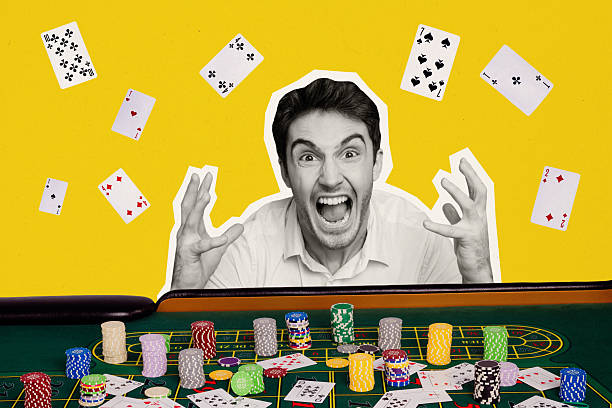
Furthermore, the excitement of potentially winning can create a thrill that keeps players returning to casinos. This anticipation, driven by the hope of getting lucky, can overshadow the more rational aspects of gambling. Players may ignore their previous losses or the odds of winning, focusing solely on the fun associated with the possibility of a big win. Understanding this psychological effect can aid players in recognizing when their focus on luck is hindering their overall gambling experiences and responsible gaming behaviors.
Ultimately, educating oneself about the psychological impact of luck can empower players. By fostering a more rational understanding of how games work and implementing responsible gaming practices, individuals can mitigate the emotional rollercoaster that often accompanies gambling. Emphasizing skill, strategy, and informed decision-making over blind luck can lead to a more balanced and enjoyable gambling experience.
Exploring resources for informed gambling
In the quest for informed gambling, many players seek resources that can guide their understanding of the games they participate in. Numerous websites offer comprehensive guides covering various gambling strategies, game mechanics, and responsible gaming practices. These platforms serve as valuable tools for both novice and seasoned players, helping them navigate the often complex and confusing world of casinos. Accessing reliable information allows players to enhance their knowledge, better understand game odds, and develop effective strategies tailored to their individual preferences and experiences.
In addition to educational resources, many online platforms provide forums where players can share experiences, strategies, and insights. These communities play a crucial role in fostering continuous learning and support among gamblers. Engaging with fellow players can lead to a greater understanding of game dynamics, as well as strategies that have worked for others. By exchanging tips and experiences, players can collectively enhance their skill sets, enabling them to approach gambling with a more informed and strategic mindset.
Ultimately, taking the time to explore available resources empowers players to make informed decisions, reducing reliance on myths about luck. By cultivating a solid understanding of the games and engaging with knowledgeable communities, individuals can enhance their gaming experiences, place themselves in better positions for success, and enjoy gambling responsibly.
